The economy just sped up. Here’s the catch.
CAPITALS INSIDERS Markets, made simple — Evening edition · Thursday, October 29, 2026 | |
Good evening. This morning we looked at a housing market frozen by high mortgage rates. Tonight, the other side of the same story: the economy itself grew faster than almost anyone expected last quarter. That is good news for jobs and profits, and it is also the reason rates are not coming down. | |
🔔 The Session Stocks: Stocks slipped on Thursday as doubts about the AI trade returned. Alphabet fell more than 12% after missing revenue forecasts, even though its cloud business more than doubled, as investors focused on the cost of its spending plans. Chipmakers and software companies also fell. Bright spots: Eli Lilly rose on strong sales of its weight-loss drugs, and DoorDash gained after agreeing to buy Instacart. Bonds and oil: The 10-year Treasury yield held near 5%. Oil eased toward $102 a barrel as talks with Iran continued. | |
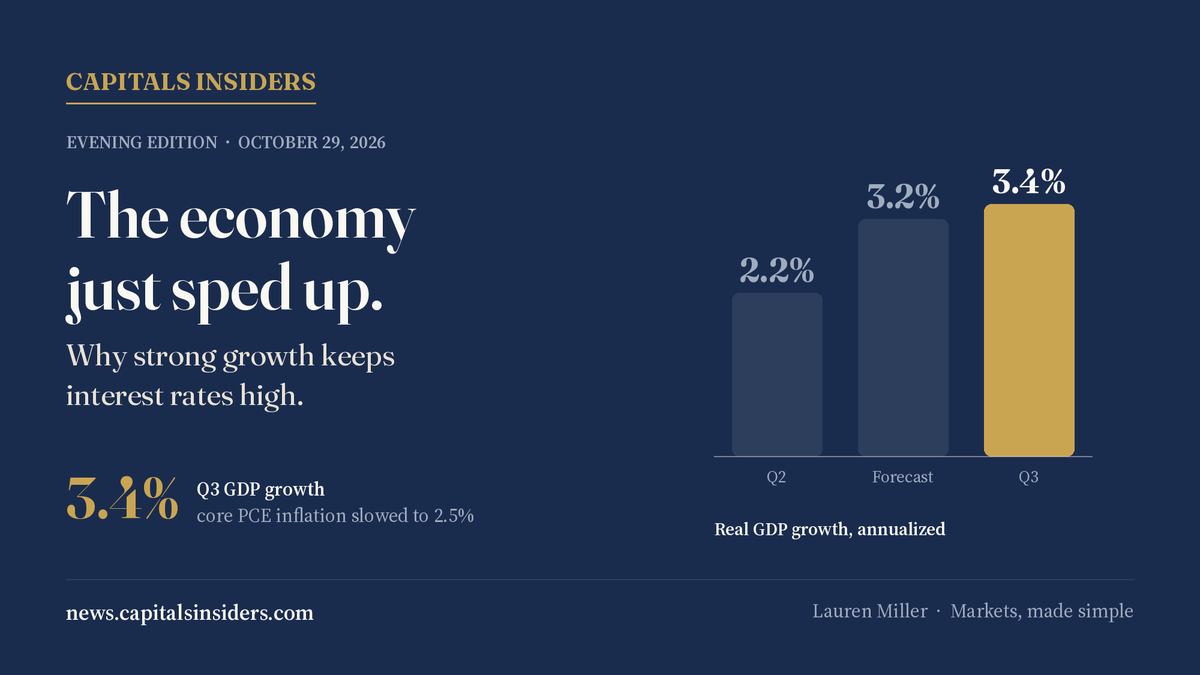
🌙 Evening Desk The economy grew 3.4%. Why strong growth keeps rates high. 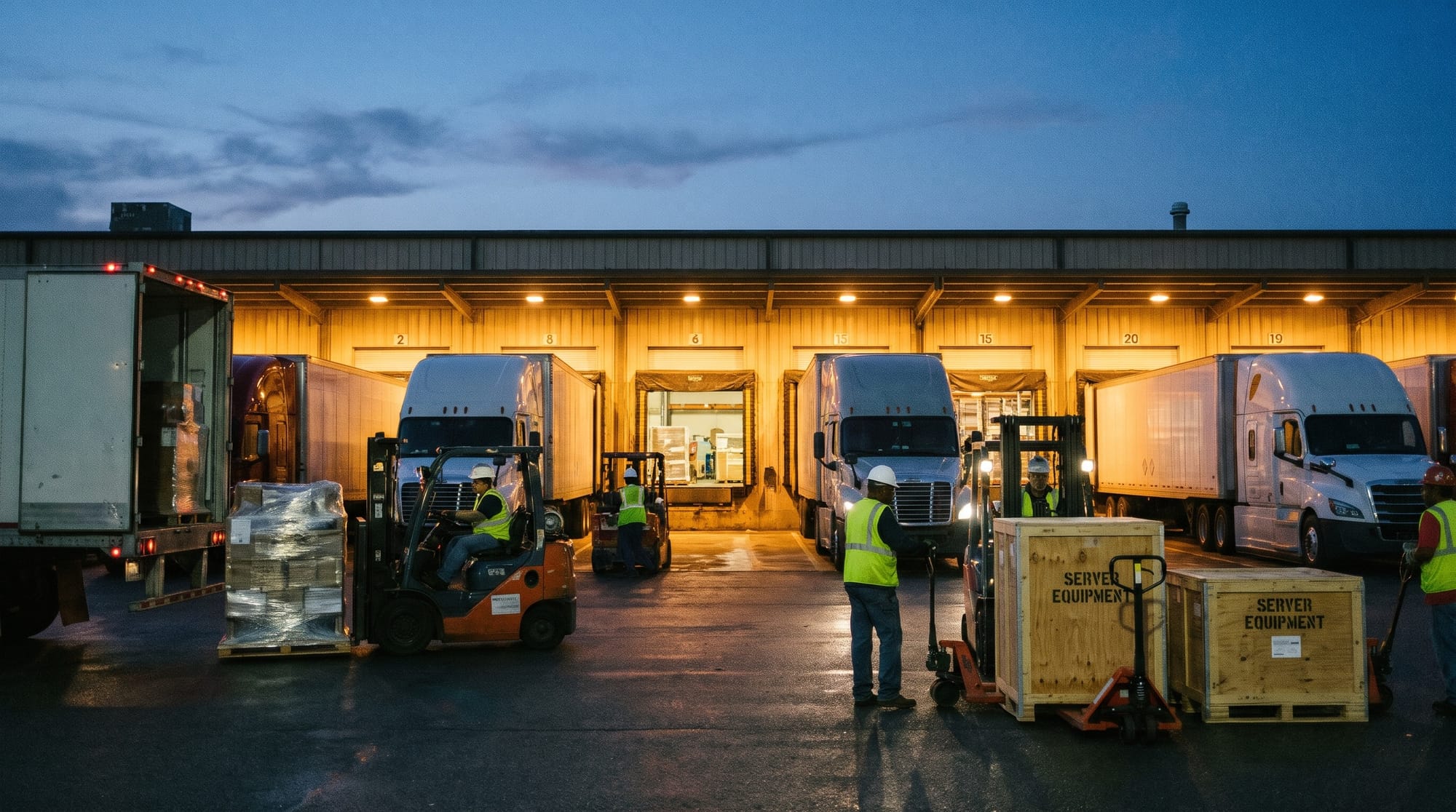 Start with the headline. The economy grew at a 3.4% annual rate in the third quarter, according to the Bureau of Economic Analysis, up from 2.2% in the spring and above the 3.2% economists expected. A narrower measure that strips out trade, inventories and government, and shows how much American households and businesses are actually buying, grew even faster, at 4.9%. The mechanism is investment. The biggest boost came from businesses buying equipment, led by computers and other information processing gear, the physical side of the AI buildout we have covered all month, along with companies restocking their warehouses. Consumers kept spending too, especially on health care, restaurants and travel. Government spending turned higher after a weak spring. The one drag was trade: exports fell, led by petroleum, while imports of business equipment rose.
There was a welcome surprise on prices. The Fed's preferred inflation gauge, the PCE price index, rose at a 2.1% annual rate in the quarter, down from 5.0% in the spring, and the core measure slowed to 2.5% from 3.3%. That sounds like the inflation problem is fading. The catch is timing: these are averages for July through September, and September's own consumer price report showed prices speeding up again as energy costs rose. Put it together and you can see the Fed's dilemma from yesterday's meeting. An economy growing at 3.4%, with business investment surging, does not need help from lower rates. That is why markets still put the odds of a December hike near 85%, and why the 10-year Treasury yield is hovering around 5%. For savers, that means today's CD and Treasury yields are likely to stay generous for a while. For borrowers and home sellers, it means relief is not on the near-term calendar. This is the first of three estimates; the government will revise the number on November 25. | |
📈 By the Numbers Q3 GDP growth 3.4% annualized; forecast 3.2%; Q2 2.2%. Final sales to private buyers 4.9%, up from 4.6%. Core PCE inflation, Q3 2.5% annualized, down from 3.3%. Alphabet Fell more than 12% after missing revenue expectations, despite cloud growth above 100%. DoorDash–Instacart $17 billion deal at $65 a share, a 26% premium; 75% in cash. Tonight Amazon reports after the close. Coming up: midterm elections on Tuesday, November 3; the second estimate of third-quarter GDP on November 25; the Fed's next decision on December 9. | |
📜 Wisdom of the Street “It’s the economy, stupid.” — James Carville, 1992 Five days before the midterms, the economy is growing fast. Whether voters feel it depends on what they pay at the pump and on a mortgage. | |
Have a good evening. — Lauren Miller, Capitals Insiders |